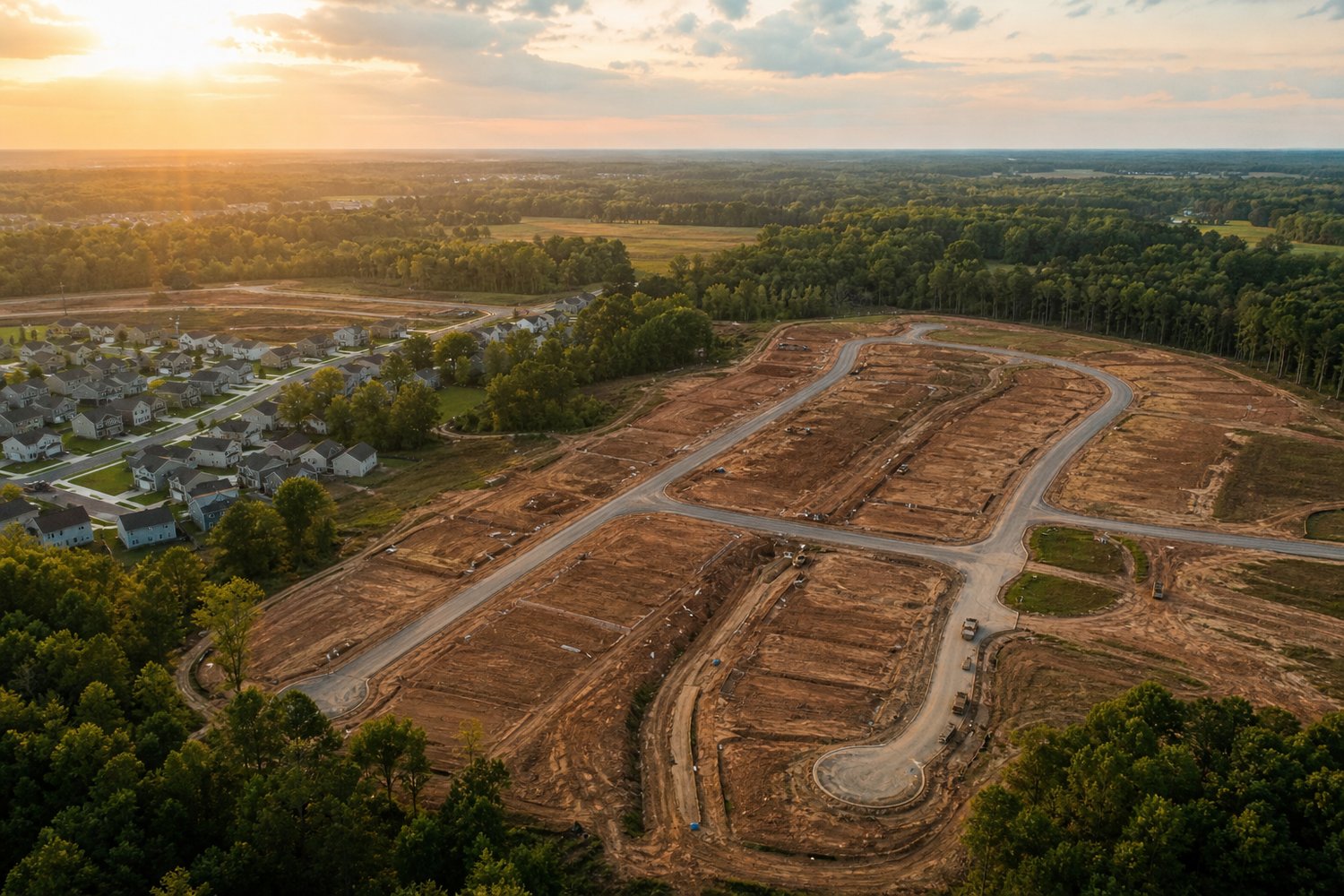
What should a first-time buyer in the Triangle do before January?
A first-time buyer in the Raleigh and Triangle area should use November and December to get pre-approved, connect with a local agent, and start watching neighborhoods before spring inventory arrives. The holidays feel like a pause, but for buyers who are serious about purchasing in the new year, this window is one of the most productive times to lay the groundwork. Sellers who list during the holidays tend to be motivated, and there is less competition from other buyers than there will be in March or April.
Key Takeaways
- Pre-approval is the first step, not the second. Without it, you cannot make a credible offer when the right home appears.
- The Triangle market moves quickly in spring. Buyers who start in November and December are in a much stronger position than those who start in February.
- Knowing your target neighborhoods before you tour saves time and helps you recognize a good value when you see one.
- The holidays are a low-pressure time to interview agents and ask questions without feeling rushed.
- Getting your finances and documents organized now means fewer delays when you are under contract.
Step 1: Get pre-approved before you tour a single home
Pre-approval is not a formality. It tells you exactly what you can afford, it shows sellers you are a serious buyer, and it gives your agent something concrete to work with when writing an offer. In the Triangle, where well-priced homes in popular price ranges can go under contract within days, showing up without pre-approval puts you at a real disadvantage.
Pre-approval is different from pre-qualification. Pre-qualification is a quick estimate based on self-reported numbers. Pre-approval involves a lender pulling your credit, reviewing your income documents, and issuing a letter that carries weight with sellers. Get the real thing.
What you will need to gather for a lender:
- Two years of W-2s or tax returns if you are self-employed.
- Two to three recent pay stubs.
- Two to three months of bank statements.
- A government-issued ID.
- Information on any existing debts (car loans, student loans, credit cards).
If anything in your credit history needs attention, finding out now gives you time to address it before you are under a deadline.
Step 2: Understand what you can actually afford in this market
Pre-approval tells you the maximum a lender will give you. That is not the same as the number that makes sense for your budget. Factor in property taxes, homeowners insurance, any HOA dues, and the ongoing cost of maintaining a home. In Wake County and the surrounding Triangle communities, property tax rates and HOA structures vary by location, so the monthly cost of two homes with the same purchase price can look quite different.
A few questions worth answering before you start touring:
- What monthly payment am I comfortable with, not just what the lender approves?
- How much do I want to keep in savings after the down payment and closing costs?
- Am I planning to stay for at least three to five years, or is this likely a shorter-term situation?
In North Carolina, closing is handled by a real estate attorney, and closing costs for a buyer typically run between two and five percent of the purchase price. Budget for that before you fall in love with a home at the top of your range.
Step 3: Find an agent who knows the specific submarkets you are considering
The Triangle is not one market. Raleigh, Cary, Apex, Holly Springs, Fuquay-Varina, Wake Forest, Garner, Knightdale, Morrisville, and the surrounding communities each have their own pricing patterns, inventory levels, and neighborhood dynamics. An agent who knows the broader metro but not the specific areas you are targeting will miss things that matter.
The holidays are a good time to have this conversation without pressure. Ask any agent you are considering:
- How many buyers have you represented in this price range and area in the past year?
- What do you see happening in this market over the next six months?
- How do you communicate with clients during a transaction, and how quickly do you respond when something comes up?
Scott's stance is straightforward: buyers in the Triangle should get pre-approved before they tour, because inventory moves fast. The Hoffman Realty Group works with first-time buyers across Wake County and the surrounding communities, and the first conversation is always about making sure the buyer understands the process before they are in the middle of it.
Step 4: Start watching neighborhoods now, before you are ready to make an offer
One of the most common mistakes first-time buyers make is starting their neighborhood research at the same time they start making offers. That is too late. You need a baseline. When you have been watching a neighborhood for six to eight weeks, you start to recognize what a well-priced home looks like versus one that has been sitting because the price is off.
How to build that baseline during the holidays:
- Set up saved searches on listing sites for the zip codes and price ranges you are targeting.
- Note how long homes stay active before going under contract.
- Pay attention to price reductions. A neighborhood with frequent cuts tells you something about where sellers are pricing versus where buyers are willing to land.
- Drive the areas on a weekend. Get a feel for the streets, the commute, and what is nearby.
You do not need to make any decisions yet. You are building the knowledge that will help you move quickly and confidently when the time comes.
Step 5: Get your documents and finances organized
Once you are under contract on a home in North Carolina, timelines move. Inspections, due diligence periods, lender conditions, and the closing attorney's schedule all have deadlines. Buyers who have their paperwork in order from the start avoid the scramble that can cause delays or, in the worst case, a missed deadline.
Before January, pull together:
- The income and bank documents listed in Step 1, even if you have not started lender conversations yet.
- A clear picture of where your down payment funds are coming from. If any of it is a gift, lenders will require a gift letter.
- Contact information for your employer's HR department, in case the lender needs a verification of employment.
- A list of your monthly obligations so you can answer lender questions accurately.
Step 6: Know what the Triangle market typically does in January and February
Spring is the busiest season in the Triangle real estate market. Inventory picks up, more buyers enter, and competition increases. Buyers who are pre-approved and working with an agent in January are positioned to act on homes that come to market before the spring rush fully arrives. Buyers who wait until March to start the process often find themselves competing against multiple offers on the homes they want most.
The holiday window is not a time to rush. It is a time to prepare. There is no urgency to make an offer on a home in December if the right one has not appeared. The goal is to be ready when it does.
FAQ
Is it a good time to buy a home during the holidays in the Triangle?
It can be. Sellers who list during November and December are often motivated, and there are fewer competing buyers than in spring. The more important question is whether you are prepared. A buyer who is pre-approved and working with a knowledgeable agent can find real opportunities during the holiday season.
How long does it take to get pre-approved for a mortgage?
The process typically takes a few days to about a week, depending on how quickly you can provide documents and how responsive the lender is. Starting now means you will have your letter in hand well before you need it.
What is the difference between due diligence and earnest money in North Carolina?
In North Carolina, buyers typically pay a due diligence fee directly to the seller at the time of contract. This fee is non-refundable if the buyer walks away, but it is credited toward the purchase price at closing. Earnest money is also paid at contract and is held in escrow. Understanding both before you make an offer helps you negotiate with confidence.
How much should a first-time buyer in the Triangle expect to pay in closing costs?
Closing costs for buyers in North Carolina typically run between two and five percent of the purchase price. Your lender will provide a Loan Estimate early in the process that breaks down the expected costs. Budget for this separately from your down payment.
Do I need to use a buyer's agent in North Carolina?
You are not legally required to use a buyer's agent, but it is strongly advisable, particularly for a first-time purchase. A buyer's agent represents your interests, helps you evaluate homes and offers, and guides you through the due diligence and closing process. In most transactions, the seller's side covers the buyer's agent compensation, though this can vary by contract.
The bottom line for first-time buyers in the Triangle this holiday season
The buyers who are ready in January are the ones who did the work in November and December. Get pre-approved, find an agent who knows the specific communities you are targeting, start watching neighborhoods, and get your documents organized. None of those steps require you to rush into a purchase. They just mean you will not be scrambling when the right home comes along.
Scott and The Hoffman Realty Group work with first-time buyers across Raleigh, Cary, Apex, Holly Springs, Fuquay-Varina, Wake Forest, Garner, Knightdale, Morrisville, and the surrounding Triangle communities. The first conversation is always about making sure you understand the process before you are in the middle of it.
Want to see what past clients say? Read Scott's reviews on Google, Zillow, and Realtor.com.
Schedule a consultation to talk through where you are in the process, or learn your home value if you are also thinking about selling before you buy.
Equal Housing Opportunity. Scott Hoffman, NC License Number 171366; designations: ALC, ABR, e-Pro, Dave Ramsey Endorsed Provider. Regulated by the North Carolina Real Estate Commission. Each office is independently owned and operated. This article is general information, not legal, tax, or financial advice; confirm your own numbers with your real estate attorney, tax advisor, or lender.