
Raleigh Real Estate Report

Nov. 14, 2026

After You Accept an Offer on a Home in North Carolina

A public records counter where property paperwork is filed in Little River, NC — Home in North Carolina

After You Accept an Offer on a Home in North Carolina

What happens after you accept an offer on a home in North Carolina?

When you accept an offer on a home in North Carolina, the contract's effective date starts the due-diligence clock. Your buyer then works through inspections, loan approval, appraisal, and title-related review while a real estate attorney prepares for closing. You keep the property in the condition the contract requires, respond to any repair requests, and stay in close contact with your agent and attorney until you sign and the sale records. The exact dates are whatever your signed contract says.

Key Takeaways

  • The due-diligence period is negotiated in your contract and begins on the contract's effective date, so your deadline is the date written in your signed contract, not a statewide number of days.
  • Before the due-diligence deadline, a buyer under the standard North Carolina contract can generally terminate for any reason or no reason by giving the required notice, which makes the early weeks the most fragile part of the deal for a seller.
  • The buyer's due-diligence fee is separate from earnest money, is generally nonrefundable except in situations such as a seller breach, and is typically credited to the buyer at closing.
  • Your real estate attorney is the right contact for title defects, liens, payoff amounts, deed preparation, recording, settlement statements, and wire instructions.
  • Under most contracts, closing means the buyer accepts the property in its then-existing condition, so agreed repairs need to be finished and documented before the final walkthrough.

Which dates in my contract do I actually need to act on as a seller?

Start with the effective date and the due-diligence deadline, then find the settlement date and any repair, earnest-money, or contingency terms. Put every one of them on a calendar the day you sign.

The North Carolina Real Estate Commission explains that the due-diligence period is negotiated in the contract and begins on the effective date. That is why I never quote a universal number of days to a seller. Your timeline is the one in your paperwork, and it can differ from your neighbor's.

What is the buyer doing while the due-diligence clock runs?

The buyer is investigating the property and lining up financing. The NCREC's closing guidance describes this stretch as commonly including inspections, loan application and approval, appraisal, survey review, and restrictive-covenant review.

You will feel this phase as a stream of access requests. Inspectors, appraisers, surveyors, and sometimes lender representatives all need to see the property. Say yes to reasonable access and keep the home in the condition your contract requires.

Can the buyer walk away, and can they ask for more time?

Before the deadline, yes. Under the standard contract, a buyer may generally terminate for any reason or no reason before the due-diligence deadline by giving the required notice. After the deadline, the buyer's termination rights are substantially limited by the contract.

A buyer who needs more time can ask for an extension, but you are not obligated to agree. If you do agree, the same NCREC guidance says to get it in writing before the existing deadline expires. A verbal "sure, take a few more days" protects nobody.

How are the due-diligence fee and earnest money different?

They are two separate payments. Under the standard form, the due-diligence fee is due on the effective date, the date the contract is signed by all parties and acceptance is communicated, according to an NCREC bulletin on Form 2-T. The fee is negotiated, generally nonrefundable except in circumstances like a seller breach, and typically credited to the buyer at closing.

Neither one is required by North Carolina law. The NCREC's earnest money guidance makes clear that their treatment is governed by the contract. Read those paragraphs in your own agreement rather than relying on what a friend's deal looked like.

What does the timeline look like at a glance?

StageWhat happensYour action as the sellerWho to ask
Effective dateAll parties have signed and acceptance is communicated; the due-diligence clock startsCalendar every date in the signed contractYour agent
Due-diligence periodBuyer inspects, applies for a loan, orders an appraisal, and reviews survey and covenantsAllow access and answer repair requests promptlyYour agent
Due-diligence deadlineBuyer's right to terminate for any reason becomes substantially limitedMake sure any extension or amendment is in writing before this dateYour agent and real estate attorney
Title and closing preparationAttorney examines title, addresses liens and payoffs, and prepares documentsProvide payoff information and any documents the attorney requestsClosing attorney
Final walkthroughBuyer confirms the property's condition and that agreed repairs are doneFinish repairs and keep the home in contracted conditionYour agent
SettlementDocuments are signed, the deed is recorded, and funds are disbursedVerify wire instructions by phone and review the settlement statementClosing attorney

What if the inspection or appraisal turns up a problem?

Tell me before you respond to anything. A repair request is the start of a negotiation, and how you answer it affects whether the buyer stays in the deal. Your options and your leverage depend on the contract terms, the nature of the issue, and where you are relative to the deadline.

I walk my clients through this before they reply, because every situation is different. If you want to understand how buyers think at this stage, my post on whether a buyer can back out after inspection in North Carolina lays out the other side of the table. Any change to your contract should be in writing, and your attorney can tell you whether a proposed amendment actually protects you.

What does the closing attorney handle, and which questions belong with them?

Your real estate attorney handles the legal mechanics of closing: title examination, closing documents, payoff and lien matters, recording, and disbursement. Ask them anything about title, liens, payoffs, deeds, and settlement paperwork.

North Carolina closings are attorney-involved transactions, as the NCREC's closings guidance describes. One detail matters for sellers: the attorney represents the client who hired them, not both sides jointly unless the representation arrangement permits it. Ask early who the attorney is working for and how your questions will be handled.

Which questions go to the attorney instead of me?

  • Title defects and liens that surface during the title examination
  • Payoff amounts for existing loans and how liens get cancelled
  • Deed preparation and recording
  • Seller documents you will be asked to sign or provide
  • Settlement statements and what each line means
  • Wire instructions, which you should always verify using a telephone number you trust, never one from an email
  • Contract amendments and whether they adequately protect your position

I handle strategy, negotiation, and keeping everyone on schedule. The attorney handles the legal paperwork. Knowing which is which saves you days of phone tag.

What seller-side costs show up at closing?

I won't put numbers on your costs here, because they depend on your loan, your contract, and your closing date. The categories, per the NCREC's closing guidance, can include payoff of existing loans, your share of property taxes, broker commissions under the parties' agreements, deed preparation, cancellation of existing liens, and revenue stamps payable to the state.

Broker fees are fully negotiable and not set by law, and they are agreed in your listing agreement. Which party pays other negotiable charges comes from your contract and the attorney's settlement statement, so confirm both rather than assuming. A personalized net-sheet conversation with me before closing will show you what to expect.

What should I do between inspections and the final walkthrough on a home in North Carolina?

Keep the property accessible, keep it in the contracted condition, and raise any problem with your agent and attorney the moment it appears. Waiting until the signing table is the most expensive way to find out something is wrong.

If an agreed repair is incomplete, or a new issue appears (a failed appliance, water intrusion, a lien you didn't know about), call me right away. Early problems can often be solved with a short written amendment. Late ones tend to cost more time and goodwill.

Why does the final walkthrough matter so much?

The final walkthrough is where the buyer confirms the property is in the contractually required condition and that agreed repairs are done. The NCREC's due-diligence guidance warns that under most contracts, closing constitutes acceptance of the property in its then-existing condition unless the parties made a different written provision.

For you, that means finishing repairs with time to spare and keeping receipts or documentation. A buyer who walks in and sees everything done as agreed is a buyer who closes without drama.

Does this look the same in every part of the Triangle?

No. For a home in Carrboro, Chapel Hill, or Hillsborough, recording logistics, tax prorations, and inspection items can look different than they do in rural areas like Cedar Grove, Efland, Eno, Cheeks, and Little River. Septic systems, wells, restrictive covenants, and property-specific title matters can each change what your buyer investigates and what your attorney needs from you. The relevant authority might be the county, the municipality, a utility, or your attorney.

Because I work all of these communities, I know which questions to raise early for your specific property. If the deal ever falls apart and you need a reset, my post on what Raleigh-area sellers should do when a home sits covers the next steps.

If you'd like to see how clients describe working with me, you can read reviews on Google, Zillow, and Realtor.com.

FAQ

What happens after my offer is accepted on a house in North Carolina?

The contract's effective date starts the due-diligence period, and the buyer begins inspections, loan processing, appraisal, and title-related review. Your real estate attorney prepares for closing while you keep the home in the required condition and respond to repair requests. Your signed contract sets every deadline.

When does the due-diligence period start in North Carolina?

It begins on the contract's effective date, which is when all parties have signed and acceptance is communicated. The length is negotiated, so check the number of days and the deadline in your own contract. Your agent can point you to the exact paragraph.

Can a seller refuse to extend the due-diligence period?

Yes, a seller is not obligated to agree to an extension. If you do agree, put it in writing before the existing deadline expires. Ask your attorney whether the wording protects you.

When should I contact the closing attorney after my offer is accepted?

Reach out early rather than waiting until signing. Your attorney is the right source for title, lien, payoff, deed, and settlement-statement questions, and early contact gives time to fix anything the title work uncovers. Your agent can help confirm who is handling the closing.

What should I expect at the final walkthrough?

The buyer will confirm the property is in the contractually required condition and that agreed repairs have been completed. Because closing generally means acceptance of the property's then-existing condition under most contracts, have repairs finished and documented beforehand.

The short version is that your contract's dates drive everything, and your agent and attorney each own a different piece of the work. If you're selling a home in North Carolina, or about to accept an offer, I'll help you map out the dates, repair responses, and attorney questions before they become urgent. You can schedule a consultation with me, or learn your home value first.

About Scott Hoffman

Scott Hoffman leads The Hoffman Realty Group with Keller Williams Legacy, helping buyers and sellers in Carrboro, Cedar Grove, Chapel Hill, Cheeks, Efland, Eno, Hillsborough, and Little River. He holds the ALC, ABR, and e-Pro designations and is a Dave Ramsey Endorsed Provider.

Keller Williams Legacy · 919-740-0379

Equal Housing Opportunity. Scott Hoffman, NC License Number 171366; designations: ALC, ABR, e-Pro, Dave Ramsey Endorsed Provider. Regulated by the North Carolina Real Estate Commission. Each office is independently owned and operated. This article is general information, not legal, tax, or financial advice; confirm your own numbers with your real estate attorney, tax advisor, or lender.
Posted in Selling Your Home
Nov. 13, 2026

Buying New Construction in Bailey? Check These First

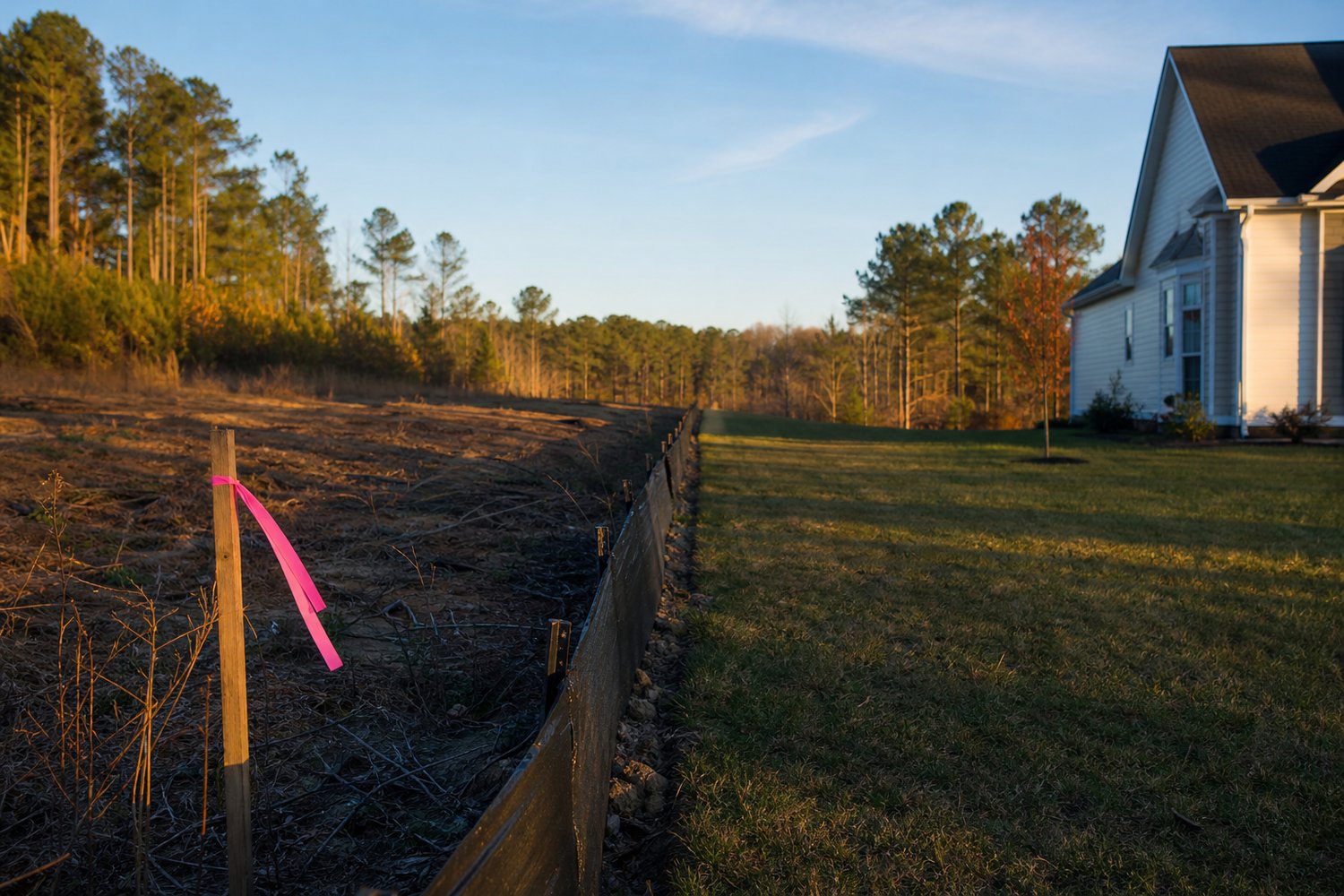
An open parcel of land at its boundary in Bailey, NC — Buying New Construction in Bailey

What should you check when Buying New Construction in Bailey?

Buying New Construction in Bailey comes down to five written items: the full price (base home, lot premium, options, and site work), a completion date the contract actually controls, the exact plans and specifications, drainage and grading on your specific lot, and inspection access before closing. The North Carolina REALTORS® new-construction offer to purchase form is built around those pieces. I compare the finished package with nearby resale options before a buyer commits.

Key Takeaways

  • A portal-reported figure for Bailey shows five homes sold in September 2026 and a $240,000 median sale price across the three months ending that month, which is a thin sample, so a new build needs real closed-sale comparisons before you judge its price.
  • The North Carolina REALTORS® new-construction form lets you and your representatives enter the dwelling at reasonable times before closing to inspect, and it requires written notice identifying any deficiency or omission.
  • The form treats permitting, construction start, completion, closing, and possession as separate milestones, so a builder's verbal completion estimate is not a deadline.
  • Lot premiums, structural options, design-center selections, and site-work charges are builder-specific, so the only reliable number is a written quote for the exact lot and plan.
  • Builder incentives such as closing-cost credits and rate buydowns are contract terms, and they can carry deadlines, lender restrictions, and conditions.

What should be in your Bailey new-construction contract?

Your contract should list the base price, lot premium, every option, the completion date with extension and cancellation terms, and the exact plans and specifications. If it isn't written down, it isn't part of the deal.

Which costs make up the real price?

The real price is the base home price plus everything the builder adds to reach the home you actually tour. When I review a builder's paperwork with a buyer, I ask for a single written list that includes:

  • The base home price
  • The lot premium
  • Structural options
  • Design-center selections
  • Site-work charges
  • Utility, septic, or well costs, if the lot needs them
  • Fencing or landscaping obligations
  • Anything excluded from the builder package

I won't quote ranges for these charges, because they vary by builder, plan, and lot. Ask each builder for a written quote on the specific lot and plan, then compare the totals, not the advertised starting price.

How firm is the completion date?

A completion date is only as firm as the contract language behind it. The North Carolina REALTORS® form separates permitting, construction start, construction, inspections, completion, closing, and possession. The seller is to obtain the building permit within the period stated in the contract, and construction begins after the permit and required land-use permits are issued.

So don't rely on a sales office's verbal estimate. Identify these terms in writing:

  • The contractual completion date
  • Extension rights and notice requirements
  • The outside date
  • Your cancellation rights
  • What happens to your rate lock or temporary housing if the date slips

What do the plans and specifications need to say?

They need to name the exact home you're buying, because a model-home tour or brochure is not the contract. The form provides for construction according to the plans and specifications, applicable laws and codes, and good-workmanship standards, and it includes remedies for deviations. That only helps if the plans and specifications are attached.

Make sure they identify the elevation, floor plan, finishes, fixtures, appliances, energy features, grading assumptions, and allowance amounts. Read any substitution clause closely. A broad one can change the delivered home without changing the headline price.

Also ask whether appliances, blinds, light fixtures, landscaping, and fencing are included. Don't assume. If an item isn't on the written list, price it as an extra.

Are builder incentives binding?

Incentives are binding only when they're written into the agreement. Closing-cost credits, rate buydowns, upgrade allowances, appliance packages, and design-center credits can have expiration dates and conditions. The contract should state the amount or scope, the deadline, any lender restrictions, whether unused allowances disappear, and what happens if you choose a different lender or closing is delayed. Have your real estate attorney review the contract and addenda before you sign.

How do you inspect a new build and check drainage in Bailey?

Schedule independent inspections at set stages of construction, and walk the lot after a heavy rain. The North Carolina REALTORS® form allows you and your representatives to enter the dwelling at reasonable times before closing or possession to check whether construction conforms to the plans, specifications, and contract. If you find it isn't substantially compliant, the contract requires written notice identifying the deficiency or omission.

Which inspection stages matter most?

Arrange the timing with the builder, decide who attends, and document everything in writing. These are the stages I'd plan around:

StageWhat to look atWhat to document
Foundation or structuralFoundation work and slab or crawl-space elevation relative to the lotDated photos and written notes sent to the builder
Pre-drywallFraming and the mechanical work still visible before walls closeInspector report and any written deficiency notice
Substantial completionFinishes, fixtures, and appliances compared with the attached specificationsA written list of deficiencies or omissions
Final, before closingWhether listed items were corrected and systems operateSigned-off repair list and warranty paperwork

The builder's inspector, warranty representative, lender, and closing attorney each serve different interests. An independent home inspector works for you. Keep copies of plans, change orders, inspection reports, repair lists, permits, warranties, and closing documents.

How do you check a lot for drainage problems?

Look at the finished grade, not only the house interior. Review the site plan and grading plan, then check these items:

  • Stormwater design, swales, and drainage easements
  • Retention or detention features
  • Driveway slope
  • Slab or crawl-space elevation
  • Which direction runoff travels from adjacent lots

Visit after substantial rain if you can. If the builder promises a grading or drainage correction, get it in writing. If the lot needs septic or a well, my checklist for buying land or acreage in the Triangle covers the site-side questions in more depth.

Who verifies permits and final approval?

You do, with the responsible jurisdiction. Bailey, Castalia, Middlesex, Nashville, and Spring Hope are in or near Nash County, but a property's mailing address, municipality, and county aren't interchangeable. Confirm the issuing authority, permit status, required inspections, and the certificate of occupancy or equivalent final approval. Also ask whether septic, well, driveway, erosion-control, or stormwater approvals are separate from the building permit.

One related point: the North Carolina Real Estate Commission's disclosure form identifies limited exemptions to the Chapter 47E disclosure statement, including certain new homes that have never been occupied. That exemption doesn't remove your need to review the contract, plans, specifications, permits, inspections, warranties, and any known site conditions.

Is a new build in Bailey a better deal than a resale home nearby?

Only after you compare the complete new-build purchase with closed resale sales for similar homes. A lower or higher base price tells you very little by itself. Here is the market context I have, and how much weight it deserves:

MeasureFigureSource and scope
Median listing price$415,000Realtor.com Research, October 2026, national
Active listings1,183,520Realtor.com Research, October 2026, national
Median days on market63Realtor.com Research, October 2026, national
Median sale price, three months ending September 2026$240,000Redfin, portal-reported, Bailey
Homes sold in September 20265Redfin, portal-reported, Bailey

The national figures are broad context only. They say nothing about a specific Bailey lot. The Bailey numbers come from a portal rather than a local REALTOR® association or MLS report, and five sales in a month is a small sample, so one or two unusual closings can move a median. Treat it as a rough signal, not a price target.

That's why I build the comparison from closed sales of similar size, age, and lot in Bailey, Nashville, Spring Hope, Middlesex, and Castalia, then set them next to the new build's full written price. Add what the resale home may need and what the new build doesn't yet include, such as landscaping, fencing, or blinds. My post on new construction versus resale in the Research Triangle walks through the broader tradeoffs.

Your exact numbers depend on the builder, the lot, your lender, and your timeline. That's where a one-on-one review of the contract and the comparable sales pays off.

If you'd like to see how past clients felt about working with me, you can read reviews on Google, Zillow, and Realtor.com.

FAQ

Can I inspect a new construction home before closing in North Carolina?

Yes. The North Carolina REALTORS® new-construction form permits you and your representatives to enter the dwelling at reasonable times before closing or possession. If you find construction isn't substantially compliant, give the builder written notice identifying the deficiency or omission, and keep your own copy.

What happens if my new construction home is not finished by the closing date?

The contract's completion terms control the outcome, including extension rights, notice requirements, the outside date, and any cancellation rights. A delay can also affect your rate lock and your housing arrangements, so I'd have a real estate attorney review those terms before you sign.

Who pays for upgrades and lot premiums in a Bailey new build?

Lot premiums and options are part of the price you agree to in the contract, unless the builder offers a credit or allowance in writing. Ask for one written quote that lists the lot premium and every option, and confirm the terms of any incentive, including its deadline and lender conditions.

Are appliances, blinds, landscaping, fencing, and light fixtures included in the builder's price?

Not automatically. Inclusions vary by builder and plan, so the attached specifications should name each item. Anything not listed should be treated as an extra cost until the builder confirms otherwise in writing.

How can I check whether a new-construction lot in Nash County has drainage or flooding problems?

Start with the site plan, grading plan, stormwater design, and any drainage easements, then visit the lot after heavy rain and note where water moves, including runoff from adjacent lots. Ask the builder to confirm any promised grading or drainage correction in writing, and verify permit and approval requirements with the responsible local jurisdiction.

Buying New Construction in Bailey goes well when the price, the schedule, the plans, and the inspection rights are all in writing and checked against real resale comparisons. I'm happy to review a builder's contract and run those comparisons with you before you commit. You can schedule a consultation to go through the specific home, or learn your home value first if you're selling to buy.

About Scott Hoffman

Scott Hoffman leads The Hoffman Realty Group, serving buyers and sellers in Bailey, Castalia, Middlesex, Nashville, and Spring Hope, with a focus that includes new construction. He holds the ALC, ABR, and e-Pro designations and is a Dave Ramsey Endorsed Provider.

Keller Williams Legacy · 919-740-0379

Equal Housing Opportunity. Scott Hoffman, NC License Number 171366; designations: ALC, ABR, e-Pro, Dave Ramsey Endorsed Provider. Regulated by the North Carolina Real Estate Commission. Each office is independently owned and operated. This article is general information, not legal, tax, or financial advice; confirm your own numbers with your real estate attorney, tax advisor, or lender.
Posted in Buying a Home
Nov. 12, 2026

Price a Lillington Home Against Local Comparables

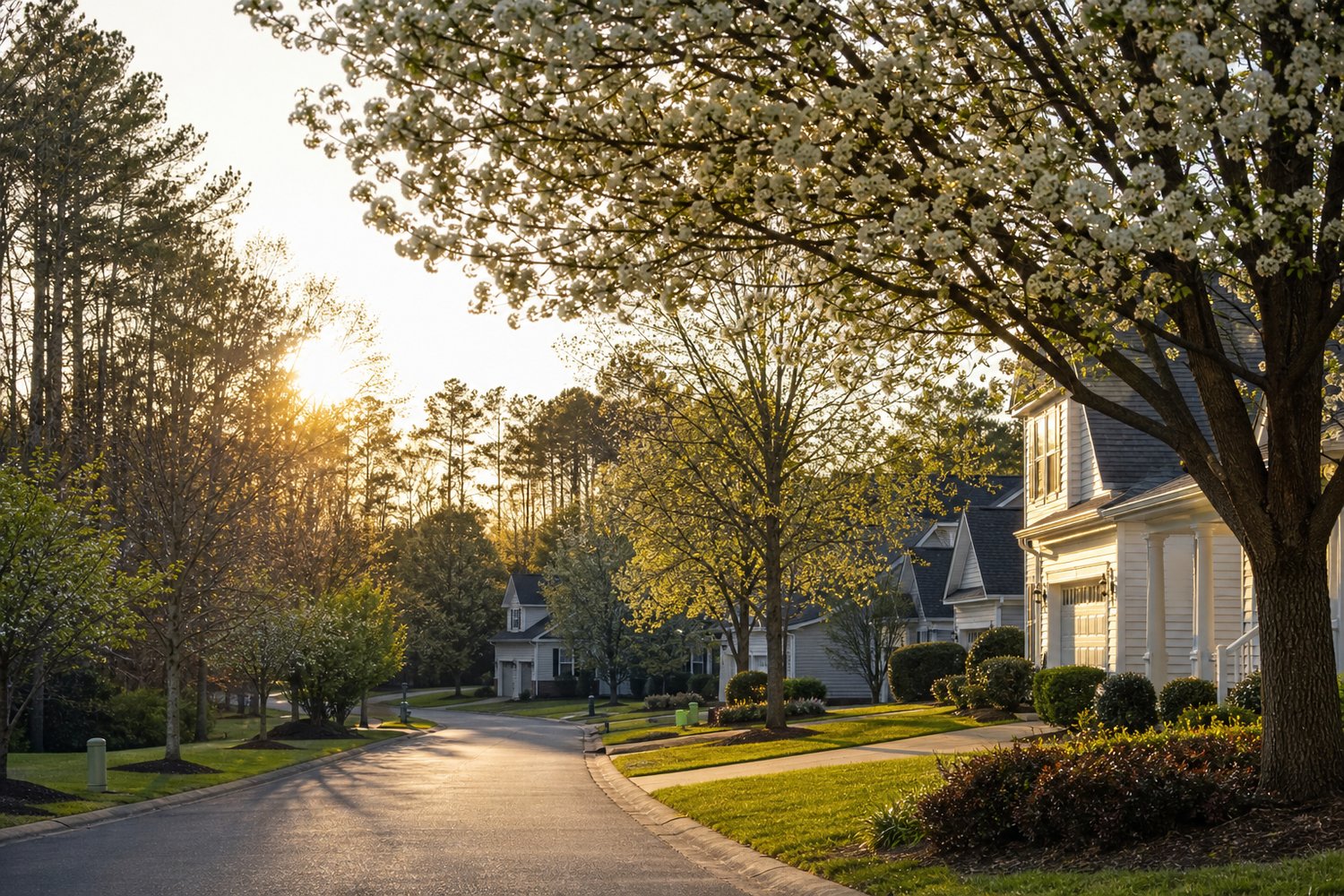
A residential street in its seasonal colours in Lillington, NC — Lillington Home Against Local Comparables

How do you price a Lillington home against local comparables?

To price a Lillington home against local comparables, anchor on recent closed sales that match your home's location, size, age, lot, and condition. Then check pending and active listings to see what buyers are accepting and what you're competing with. Adjust only for features local buyers actually pay for, and set a price review for the first week so you aren't reacting weeks later.

Key Takeaways

  • The NC REALTORS® October 2026 report shows a $368,990 statewide median sales price and 5.98 months of inventory, which are statewide figures, not Lillington numbers.
  • Realtor.com's October 2026 Harnett County comparison lists Lillington at a $346,300 median asking price and 68 average days on market, and asking prices are not closed sales.
  • Closed sales set the price anchor, active listings show your competition, and pending listings show what buyers are agreeing to now.
  • Angier, Coats, Dunn, and Erwin sales help only when the homes truly match yours in buyer appeal, age, lot, and access to employment centers.
  • Document your comparables and schedule a price review for day seven before you list, not after several weeks of quiet.

Which sales should anchor the price of your Lillington home?

Closed sales in Lillington, ideally in your own subdivision or a close match, should anchor your price. A closed sale is the only number that shows what a buyer and seller actually agreed to and finished. Everything else is context.

Why headlines and portal numbers aren't your comparables

Regional headlines about Research Triangle Park can make any seller feel optimistic. They don't tell you what a buyer will pay for your house on your street. When I sit down with a seller, we start with the closest closed sales and work outward from there.

Portal figures are useful for direction, but they're not a comparable set. Realtor.com's September 2026 data for ZIP code 27546 reports a $334,500 median sold price, 775 active listings, and 90 median days on market. A ZIP code is not the same as the town limits or a single subdivision, so treat that as background, not as your price.

NC REALTORS® publishes monthly market data covering listings, sales, median sale prices, and inventory, and it notes that county reports can be requested from the association. That's the kind of source I'd rather build on than a headline.

When can Angier, Coats, Dunn, or Erwin sales help?

Only when the homes are genuinely comparable. Lillington is in Harnett County. Angier spans Harnett and Wake counties, while Coats, Dunn, and Erwin are in Harnett County. A sale a few miles away can still reflect different taxes, road access, development patterns, and buyer pools.

Here's how the October 2026 asking-price picture looks across a few Harnett County cities, according to Realtor.com's Harnett County comparison:

City (Harnett County market)Median asking price, October 2026Average days on market
Lillington$346,30068
Angier$361,63067
Dunn$279,90070

Notice what this table is and isn't. These are portal-derived asking prices, not verified closed sales, and they blend every size, age, and condition of home. The spread between Dunn and Angier shows why you can't borrow a neighboring city's number and call it your price.

How many comparables is enough?

Enough to show a pattern, not just one outlier. A single recorded sale, like this Lillington sale on October 19, 2026, tells you something about one house. It doesn't establish a neighborhood trend. Before I lean on any individual sale, I check location, living area, lot, age, condition, upgrades, and the timing between contract and close.

I also keep the groups separate: closed, pending, active, and expired. Mixing them is how sellers end up pricing off hopeful asking prices that never turned into sales.

How do you adjust for condition and new-construction competition?

Adjust feature by feature, based on what local buyers are actually paying for, not with a generic dollar-per-square-foot formula. Two homes with the same square footage can sit at very different prices once you compare what's behind the walls.

What to compare line by line

  • Major systems: roof age, HVAC, foundation, and windows.
  • Buyer-visible updates: kitchen and bath renovation, flooring, and finishes.
  • Space and site: garage, outdoor improvements, finished versus unfinished space, and lot characteristics.
  • Property-specific factors: septic or well status and any flood exposure.

A new roof may protect your price more than it raises it, because buyers and their inspectors flag an old one. A remodeled kitchen may move buyers or may not, depending on what the closed sales around you show. That's why I check the comparables before I put a number on any upgrade.

How does builder inventory change the picture?

Your resale home may compete with new construction that carries incentives, upgrades, warranties, or closing-cost assistance. Compare your home against the buyer's effective alternative, not the builder's advertised base price. I walk through that tradeoff in more detail in New Construction vs. Resale: Choosing Your Best Move in the Research Triangle.

Your exact adjustments depend on your home's condition, location, and timing. That's where a local market analysis comes in, and it's the work I do with sellers before we ever talk about a list date.

What should your first-week pricing plan look like?

Before you list, write down your chosen closed comparables, the competing listings, and the specific feature differences that support your price. Then schedule the price review for the first week. I'd rather set a price on evidence at launch than spend weeks trimming it in steps while the listing goes stale.

What's the difference between your hoped-for price, your recommended price, and a speed price?

These are three different numbers, and mixing them up causes most pricing trouble.

  • The price you hope to achieve: what you'd love to see on a closing statement. It's a goal, not evidence.
  • The recommended asking price: the number the closed comparables, competing listings, and your home's condition support.
  • The speed-focused price: a deliberately sharper number if your timing matters more than squeezing out the last dollar.

The highest asking price doesn't necessarily produce the highest sale price. An aggressive ask can narrow your buyer pool and leave you chasing the market later. A sharper ask can draw more attention early, but no price guarantees a sale in a set number of days. Your timeline and priorities decide which of the three fits.

Statewide conditions support a competitive approach. The October 2026 NC REALTORS® report shows 5.98 months of inventory and statewide sales volume down 19% year over year. That's a statewide picture, not a Lillington forecast, but it tells me buyers have options and sellers should price against them.

What should you track during the first seven days?

  • Showing volume and the feedback you receive.
  • Online engagement with the listing.
  • Requests for disclosures or additional information.
  • Whether comparable homes change price or go under contract.

If the signals are weak, you'll already have a review on the calendar. If a competing home just went pending or dropped its price, that changes the comparison, and a previous conclusion shouldn't stand just because we made it earlier. If a home has already been sitting, my post on what Raleigh-area sellers should do when a home sits covers the next steps, and the Late Fall 2026 Research Triangle Market Pulse shows why well-priced homes keep winning.

The goal is the same every time: to price a Lillington home against local comparables with a written rationale you can defend, and adjust it on a schedule you set before the first showing.

If you'd like to see what past clients say about working with me, you can read my reviews on Google, Zillow, and Realtor.com.

FAQ

How many comparable homes should I use to price my Lillington house?

Use enough closed sales to show a consistent pattern, and don't rely on a single sale. Start with the closest matches in location, living area, lot, age, and condition, then add pending and active listings for context. I'll walk you through which ones deserve the most weight.

Should I compare my Lillington home with sales in Angier, Coats, Dunn, or Erwin?

Only when the homes are genuinely comparable in buyer appeal, construction period, lot, and access to employment centers. Angier spans Harnett and Wake counties, and each town can have different taxes, road access, and buyer pools. Begin with Lillington closed sales and expand outward only if you need more evidence.

Is a recently sold home or an active listing more useful when setting my asking price?

A recently closed sale is more useful as the price anchor. Active listings show your competition, and pending listings show what buyers are accepting now, but neither establishes a final sale price. Use all three, kept in separate groups.

How quickly should I reduce the price if my Lillington home gets no offers?

Schedule the price review before you list, and don't wait until several weeks of weak activity have passed. In the first seven days, look at showing volume, feedback, online engagement, and whether competing homes changed price or went under contract. Reduce only if that evidence supports it.

Should I price below nearby listings to attract multiple offers in Lillington?

It can draw early attention, but it doesn't guarantee multiple offers or a higher final price. A sharper price is a strategy to prioritize speed, so choose it deliberately based on your timeline and what the comparables support. We can compare both approaches side by side before you decide.

Ready to put a number on your Lillington home?

Pricing well comes down to matched closed sales, honest condition adjustments, and a first-week plan you commit to in advance. My team and I build that analysis with sellers across Angier, Coats, Dunn, Erwin, and Lillington, and we update it when new sales or listings change the picture.

Schedule a Consultation to walk through your comparables, or Learn Your Home Value to start with a market analysis.

About Scott Hoffman

Scott Hoffman is the owner and broker of The Hoffman Realty Group at Keller Williams Legacy in Raleigh, North Carolina, where he and his team provide honest, analytical guidance to buyers and sellers across the Triangle real estate market.

Keller Williams Legacy · 919-740-0379

Equal Housing Opportunity. Scott Hoffman, NC License Number 171366; designations: ALC, ABR, e-Pro, Dave Ramsey Endorsed Provider. Regulated by the North Carolina Real Estate Commission. Each office is independently owned and operated. This article is general information, not legal, tax, or financial advice; confirm your own numbers with your real estate attorney, tax advisor, or lender.

Posted in Selling Your Home
Nov. 11, 2026

Can a Buyer Back Out After Inspection in North Carolina?

A set of house keys changing hands in Stem, NC — Inspection in North Carolina

Can a buyer back out after inspection in North Carolina?

Yes, as long as the buyer is still inside the negotiated due-diligence period. After an inspection in North Carolina, the buyer can terminate before that deadline for any reason or no reason, and doesn't have to prove the inspector found a defect. Once the deadline passes, the right to walk away narrows sharply, and the seller has no general duty to agree to repairs.

Key Takeaways

  • Under the standard North Carolina contract, a buyer can terminate before the due-diligence deadline "for any reason or no reason," according to the North Carolina Real Estate Commission.
  • The due-diligence period is a number of days the buyer and seller negotiate, not a fixed statutory period, and it starts on the contract's effective date.
  • A buyer who terminates during the period generally forfeits the due-diligence fee, while the earnest money is generally returned under the contract's termination provisions.
  • North Carolina's home-inspection rules require the inspector to deliver a written report within three business days after the inspection unless the inspection contract says otherwise, so a late-scheduled inspection can eat the whole window.
  • For older homes with a private well, a septic system, or an aging roof, schedule the specialist inspections first, because a late septic finding leaves little time for a second opinion or an amendment.

How does the due-diligence period work after an inspection in North Carolina?

The due-diligence period is a window you and the seller negotiate in the contract, and while it's open the buyer can terminate for any reason or no reason. It begins on the contract's effective date, and the contract names the ending date. The Real Estate Commission's due-diligence Q&A is clear that this is a contract term, not a number of days set by law.

Here's what I tell my clients the day a contract is signed: find that ending date, circle it, and work backward from it. Every inspection, every follow-up visit, and every repair request has to fit before that date.

What does the buyer give up by terminating?

A buyer who terminates during the period generally forfeits the due-diligence fee, but the earnest money is generally returned. The due-diligence fee is negotiated and paid to the seller in exchange for the buyer's termination right, and the Commission's FAQ treats it as separate from earnest money.

The exact outcome depends on your written contract and on timely delivery of the notice, so confirm the details with the closing attorney before you send anything. The Commission's closings brochure points buyers and sellers to that attorney when termination or deposit questions come up. If you want a deeper look at how the fee works, I break it down in my post on how the due-diligence fee protects your capital.

What changes after the deadline passes?

After the deadline, the buyer's right to terminate is substantially narrower, and the seller isn't generally required to agree to repairs or credits. You can still ask, but you're asking, not exercising a right. Whether you can leave at all then depends on what the contract says and on other applicable legal grounds. If you do exit after the deadline, losing your earnest money is the typical financial consequence on top of the due-diligence fee you already forfeited.

QuestionDuring the due-diligence periodAfter the deadline
Can the buyer terminate?Yes, for any reason or no reason, with timely notice under the contractSubstantially narrower, limited to the contract and other legal grounds
Due-diligence feeGenerally forfeited to the seller if the buyer terminatesAlready paid for a termination right that has expired
Earnest moneyGenerally returned under the contract's termination provisionsDepends on the contract, so confirm with the closing attorney
Seller repairs or creditsNegotiable, but not automaticSeller isn't generally required to agree

One more point that trips people up: the final walk-through is not a second inspection window. The Commission explains in its due-diligence brochure that the walk-through is ordinarily used to confirm agreed repairs were completed and the property is still in the expected condition. It doesn't replace completing your inspections before the deadline.

What should a buyer check on an older Granville County home before the deadline?

Match the investigations to the property instead of stopping at a general home inspection. Due-diligence is broader than one inspector's report, and the Commission's due-diligence guidance lists home, pest, well, septic, structural, roof, survey, title, appraisal, loan, insurance, zoning, flood-hazard, and restrictive-covenant reviews as possible subjects.

For an older home in Granville County, I'd think through this list with a buyer before the first inspection is booked:

  • Roof: age, visible wear, and whether a specialist should take a closer look.
  • Structure, electrical, and plumbing: older systems are where a general inspector most often recommends a specialist.
  • Pest: wood-destroying insect inspection for older framing.
  • Well: water testing, plus confirming the well's location, access, and condition.
  • Septic: tank, drain field, access, and permitting concerns.
  • Survey, title, insurance, and appraisal: these run on their own timelines and can surface problems unrelated to the house itself.

Why do well and septic inspections need to go first?

They go first because they're the ones most likely to need a second step. If a septic inspector flags a tank, drain-field, or access concern near the deadline, there may be too little time for a second opinion or a negotiated amendment. Your protection is the written deadline, not an assumed extension.

The same goes for a private well. Arrange the water testing early and confirm seller cooperation under the contract, because the exact tests and deadlines are governed by what the contract says. The home-inspection rules also matter here: the inspector must provide a written report within three business days after the inspection unless the inspection contract states otherwise, per the Commission's home inspections brochure. Book a Friday inspection near the deadline and the report can land after it.

What's the sequence a buyer should follow?

  1. Get the fully executed contract and identify the exact due-diligence deadline.
  2. Schedule inspections immediately, specialists for the well, septic, roof, structure, or pests first.
  3. Review each report as it arrives and decide which findings matter to you.
  4. Request repairs, credits, or other changes in writing, and allow the seller time to respond.
  5. If you won't proceed, deliver termination notice before the deadline, not on it.

The Commission advises finishing due diligence by the contract deadline and leaving time for the seller to answer repair requests. Having a buyer's agent manage that calendar is a big part of the job, and I explain the relationship in how working with a buyer's agent works in North Carolina.

How can a seller respond when inspection findings raise concerns?

A seller can agree to repair, offer a credit, reduce the price, or decline, and none of those is automatic. After the deadline the seller isn't generally required to agree to inspection-related repairs or credits, according to the Commission's closings brochure. While the deadline is still open, though, a flat "no" carries risk, because the buyer can simply terminate.

With an older Granville County home, the requests tend to center on the roof, the well, the septic system, or an aging major system. If the buyer asks for one of those, a seller usually has these options:

  • Repair or replace it before closing, with the scope documented.
  • Offer a credit and let the buyer handle the work.
  • Reduce the price to reflect the condition.
  • Hold firm and accept the property as-is, understanding the buyer may use the remaining time to leave.

What does the seller owe once something is agreed?

Put it in writing and follow through. The seller should provide the reasonable access the contract requires, document any agreed repairs or credits, complete promised repairs in a workmanlike manner, and let the buyer verify the work and conduct the final walk-through. Per the Commission's Q&A, a seller's refusal to permit agreed verification or the final walk-through may constitute a breach.

If you're thinking about listing an older home, finding these issues yourself first changes the conversation. My post on pre-listing property evaluations covers why. Whether a repair, credit, or price change makes sense for your situation depends on the finding, the contract, and the buyer, and that's the kind of decision I work through with sellers before they respond to a request.

Want to see how past clients felt about the process? Read my reviews on Google, Zillow, and Realtor.com.

FAQ

Can I back out of a house contract in North Carolina after the inspection?

Yes, if you deliver termination notice before the due-diligence deadline. During that period you can terminate for any reason or no reason, and you don't need to prove the inspection found a defect. After the deadline your options are much narrower and depend on the contract.

What happens to my due-diligence fee if I cancel after finding problems?

You generally forfeit it to the seller, because it was paid in exchange for your right to terminate. Your earnest money is generally returned under the contract's termination provisions. Follow the exact written terms and check with the closing attorney if anything is unclear.

Can a seller refuse to make repairs after a home inspection in North Carolina?

Yes. Repair requests are negotiations, not automatic remedies, and after the deadline the seller isn't generally required to agree to repairs or credits. Before the deadline, a refusal gives the buyer the option to terminate or renegotiate.

How long is the due-diligence period in a North Carolina home purchase?

It's whatever the buyer and seller negotiate, because it's a contract term and not a fixed statutory number of days. The period begins on the contract's effective date, and the contract identifies the agreed ending date.

Can I cancel after the due-diligence deadline if the septic inspection fails?

Not automatically. After the deadline your ability to terminate depends on the contract and other applicable legal grounds, which is why I push buyers to schedule septic inspections early. If a dispute has already started, talk to the closing attorney promptly.

Who pays for a well, septic, roof, or termite inspection in Granville County?

The buyer generally arranges these inspections as part of their own due diligence, so the cost usually falls to the buyer, but check your contract for the specifics. Costs vary by provider and property, so I'd rather get you quotes for your situation than guess at a number here.

What happens if the seller doesn't finish agreed repairs before closing?

Raise it immediately and in writing, using the final walk-through to verify what was and wasn't done. The seller must permit verification of agreed repairs, and a refusal may be a breach. Involve the closing attorney before closing day rather than after.

Where to go from here

The takeaway on inspection in North Carolina is that the deadline matters more than the report. Buyers keep their freedom by inspecting early, and sellers keep deals together by responding to requests in writing while the window is still open. If you're buying or selling around Butner, Creedmoor, Oxford, Stem, or Stovall, I'll help you read your contract, build the inspection schedule, and decide how to respond to what comes back. Schedule a consultation and we'll map your deadlines together, or learn your home value if you're planning to sell.

About Scott Hoffman

Scott Hoffman leads The Hoffman Realty Group with Keller Williams Legacy, helping buyers and sellers in Butner, Creedmoor, Oxford, Stem, and Stovall, NC. He holds the ALC, ABR, and e-Pro designations and is a Dave Ramsey Endorsed Provider.

Keller Williams Legacy · 919-740-0379

Equal Housing Opportunity. Scott Hoffman, NC License Number 171366; designations: ALC, ABR, e-Pro, Dave Ramsey Endorsed Provider. Regulated by the North Carolina Real Estate Commission. Each office is independently owned and operated. This article is general information, not legal, tax, or financial advice; confirm your own situation with your real estate attorney, tax advisor, or lender.

Posted in Buying a Home
Nov. 9, 2026

Seasonal Home Maintenance Checklist for Triangle Homes

Triangle homes deal with humid summers, heavy rain, occasional ice and the tail end of tropical storms. A little attention each season prevents most of the expensive surprises that show up in a home inspection when it is time to sell.

View More
Nov. 9, 2026

Understanding Your Property Tax Reappraisal in North Carolina

When a county reappraisal notice arrives with a much higher number, many homeowners worry their tax bill will jump the same amount. Here is how reappraisal works in North Carolina, and what you can do if you think your value is wrong.

View More
Nov. 9, 2026

Moving to the Triangle: Rent First or Buy Right Away?

One of the first decisions relocating buyers face is whether to rent for a while or buy right away. Both can work well. Here is how to think about it.

View More
Posted in Buying a Home
Nov. 9, 2026

Selling and Buying at the Same Time in the Triangle

If you need to sell your current home to buy the next one, the timing can feel like a puzzle. Here are the common ways Triangle homeowners solve it, and what each one trades off.

View More
Posted in Selling Your Home
Nov. 9, 2026

Make Repairs or Sell As-Is? How to Decide

Almost every seller asks the same question: should I fix this before I list? There is no single right answer, but there is a sensible way to decide.

View More
Posted in Selling Your Home
Nov. 9, 2026

Buying Land or Acreage in the Triangle: What to Check First

Buying land is different from buying a house. You are buying what the land can become, and that depends on soil, water, access and local rules. Here is what to check during your due diligence period.

View More
Posted in Buying a Home